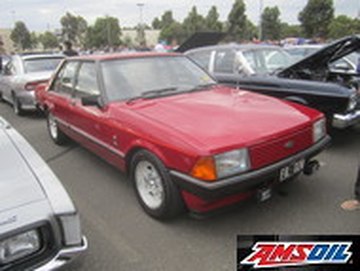
Engine Lubrication and Maintenance for the 1981 Ford FAIRMONT 4.2L
Maintaining a vehicle from the early 1980s requires a proactive approach to fluid management and mechanical inspection. For owners of the 1981 Ford Fairmont equipped with the 4.2L engine, consistent attention to lubrication systems is a fundamental aspect of long-term engine health. Because older engines may exhibit different sealing characteristics than modern counterparts, understanding how to monitor and respond to changes in lubricant condition is essential for effective ownership.
Monitoring Lubricant Condition and Consumption
One of the most practical ways to assess the health of an engine is through regular observation of its operating fluids. For this 4.2L application, owners should become familiar with the baseline appearance and behavior of the engine oil. While many factors can influence how an engine operates, certain signs warrant closer investigation during routine checks.
Changes in the way the engine consumes oil can be telling. If you notice a need to add lubricant more frequently than previously required, it may indicate that the engine is consuming more fluid than normal. Similarly, observing the exhaust for unusual smoke or checking the ground beneath the vehicle for signs of fluid seepage can provide early clues regarding the condition of various seals and gaskets. It is important to remember that these symptoms can have multiple causes; for instance, a burning odor might simply indicate oil contacting a hot external surface rather than an internal mechanical issue. Always treat new or unusual observations as a prompt for a more thorough inspection rather than an immediate diagnosis.
Practical Inspection Priorities for Aging Engines
As vehicles age, the materials used in various components—such as rubber hoses and gaskets—can undergo changes in flexibility and integrity. When performing maintenance on a 1981 Fairmont, it is beneficial to look beyond just the oil itself and consider the surrounding systems that support engine operation.
During routine service, consider the following inspection points:
- Gaskets and Seals: Inspect accessible areas for any signs of seepage or weeping. While a small amount of residue is not always cause for alarm, active leaks should be addressed to prevent further issues.
- Hoses and Connections: If present, examine engine hoses for signs of cracking, softening, or bulging. Ensuring that these components remain pliable is vital for maintaining proper system pressure and temperature.
- Electrical Integrity: Check wiring harnesses and electrical connectors for signs of fraying, corrosion, or heat damage, which can affect sensor accuracy and overall engine performance.
- Air Filtration: Ensure the air intake system is free of debris and that the filter is clean, as unrestricted airflow is necessary for efficient combustion.
By integrating these visual checks into your regular maintenance routine, you can move from a reactive mindset to a preventive one, identifying potential concerns before they escalate into more significant mechanical requirements.
Establishing a Maintenance Baseline
For many owners of classic or older vehicles, the complete service history may not always be readily available. In these instances, the first priority is establishing a maintenance baseline. This involves documenting the current state of all fluids and mechanical components to serve as a reference point for future changes.
If you are unsure of when the oil was last changed or what specific products were used, performing a fresh service is an excellent way to start. Once this baseline is set, keep a detailed log of every oil change, filter replacement, and any observed leaks or repairs. This record-keeping serves two purposes: it helps you track the intervals between services and provides a clear history should you ever need to consult a professional mechanic. Knowing exactly what has been done to the 4.2L engine allows you to distinguish between normal aging and new, unexpected developments.
Managing Long-Term Engine Health
Effective long-term ownership of a 1981 Ford Fairmont involves prioritizing tasks based on the actual condition of the vehicle rather than strictly following age-based assumptions. A well-maintained engine may require different attention than one that has experienced periods of neglect.
When deciding where to focus your maintenance efforts, address active leaks or visible warning signs first. If you notice a change in how the engine sounds or behaves during startup or idling, investigate those changes immediately. Furthermore, as engines age, some owners choose to explore different lubricant formulations. For example, some high-mileage oil formulations contain additives intended for use in aging engines, and some high-mileage formulations include seal-conditioning additives. While these are not a universal fix for all mechanical issues, they are tools designed to assist with the specific needs of older engine architectures.
Effective Lubrication Strategies
The primary role of engine oil is to reduce friction between moving parts and to assist in managing the heat generated during combustion. In an engine like the 4.2L, maintaining the correct properties of the lubricant is vital for ensuring that all internal components remain protected under various operating loads. Over time, lubricants can lose their effectiveness due to thermal breakdown or contamination from combustion byproducts. Regular changes ensure that the oil maintains its ability to clean the engine and provide a consistent protective film.
When performing an oil change, it is also an ideal time to inspect the drain plug and the sealing surface of the oil filter to ensure no debris or old gasket material is interfering with a proper seal. Ensuring that all components are clean and properly seated during every service interval contributes significantly to the overall reliability of the lubrication system.
Buying Engine Oil for your 1981 Ford FAIRMONT 4.2L
When it is time to replenish your engine's lubricant, the most important step is to ensure that the product you select matches the specific requirements of your vehicle. Because different engines have unique needs regarding viscosity and additive packages, you should never rely on general automotive knowledge or assumptions based on the vehicle's age.
To ensure a correct match for your 1981 Ford Fairmont 4.2L, always refer to the application-specific oil viscosity and information provided on this webpage. Before making a purchase, check the product labeling to verify that the oil meets the appropriate API service classifications. Depending on your specific maintenance goals and the current condition of your engine, you may choose between conventional oils, synthetic blends, or full synthetic options. If your engine shows signs of higher mileage, you might also consider high-mileage formulations designed with specific additive packages. Always prioritize the technical specifications listed in your vehicle's documentation and the application data shown here to ensure your 4.2L engine receives the correct lubrication.